

Beyond the Drawings
Building Great Architecture Together - Paul Moon
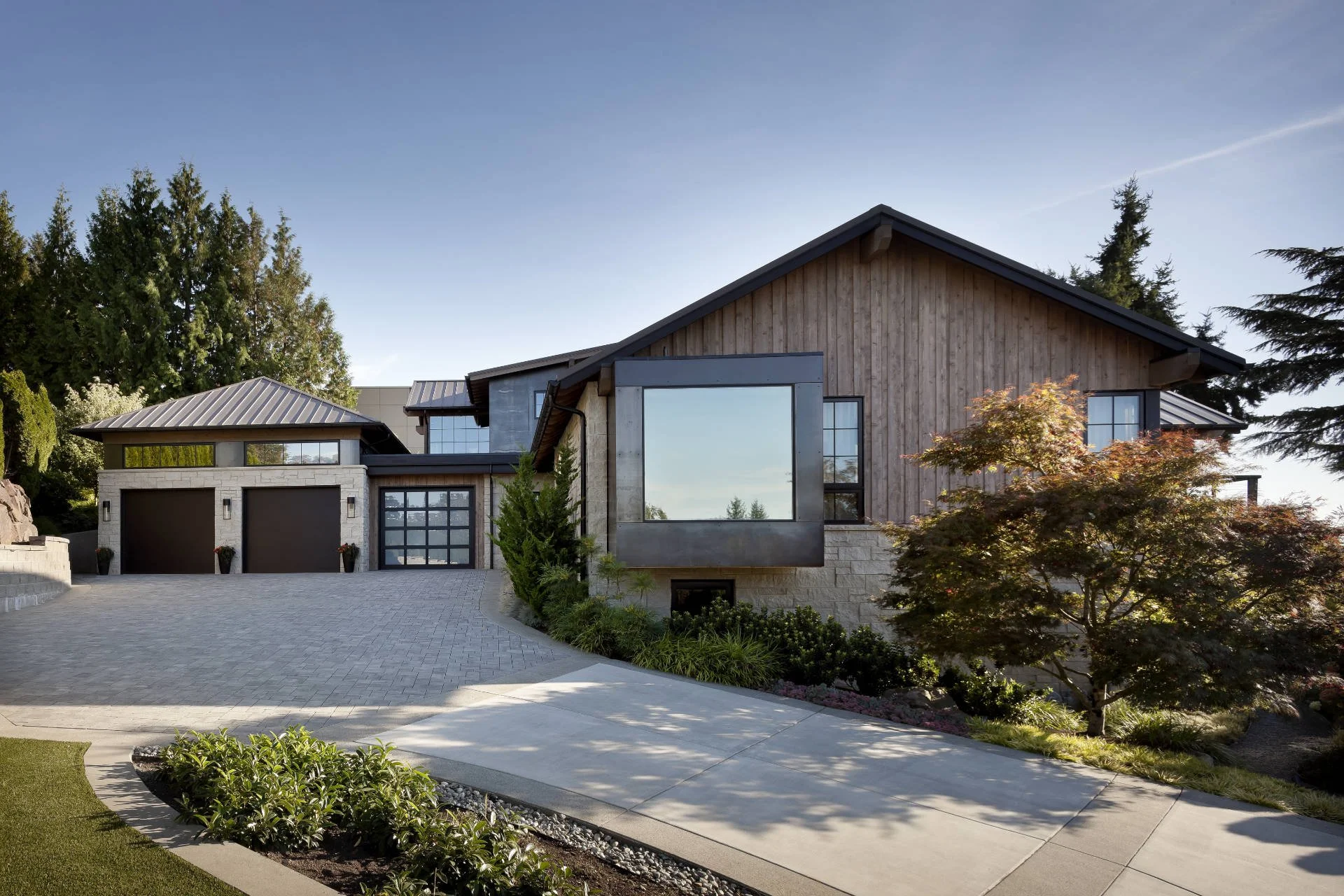
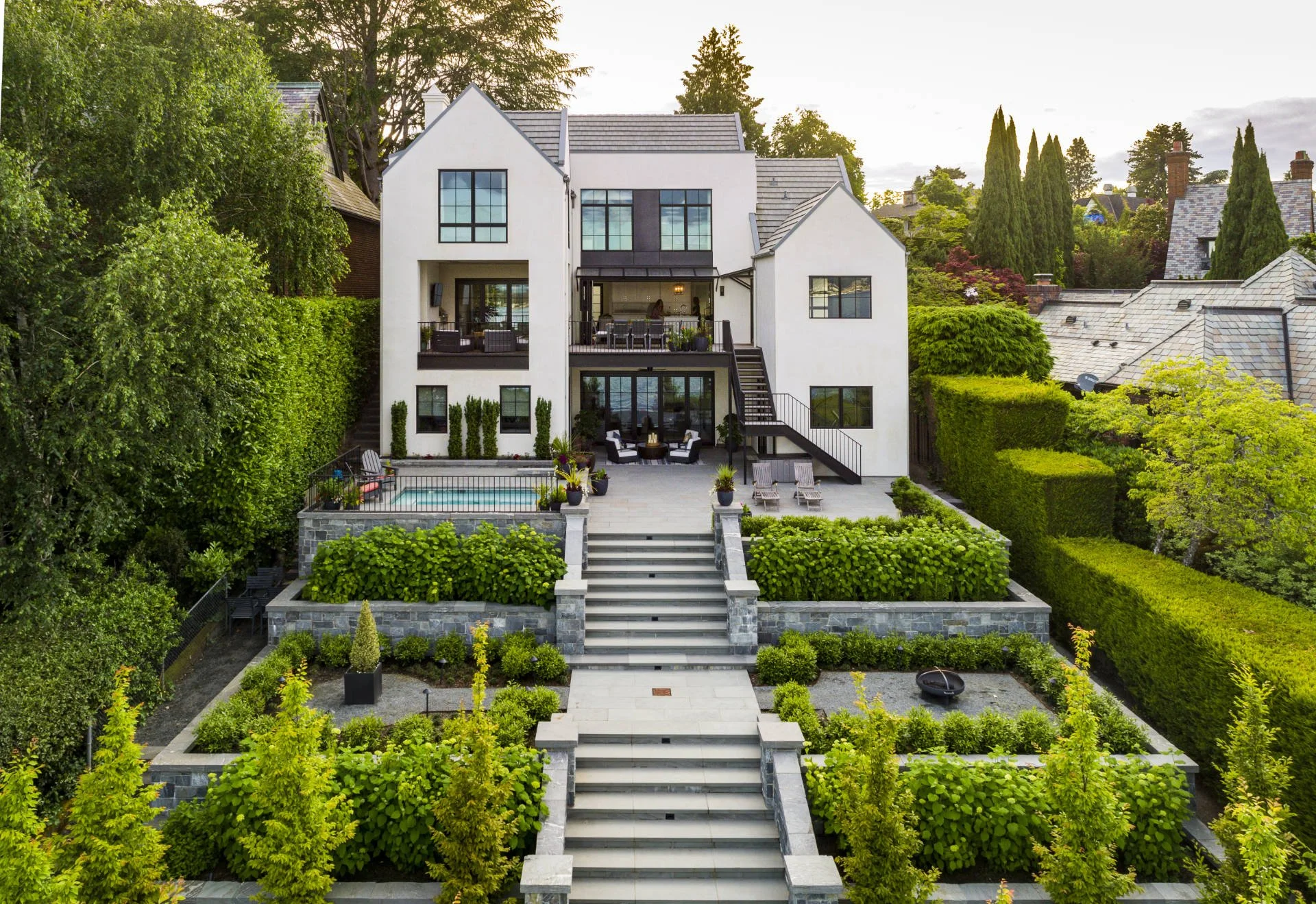
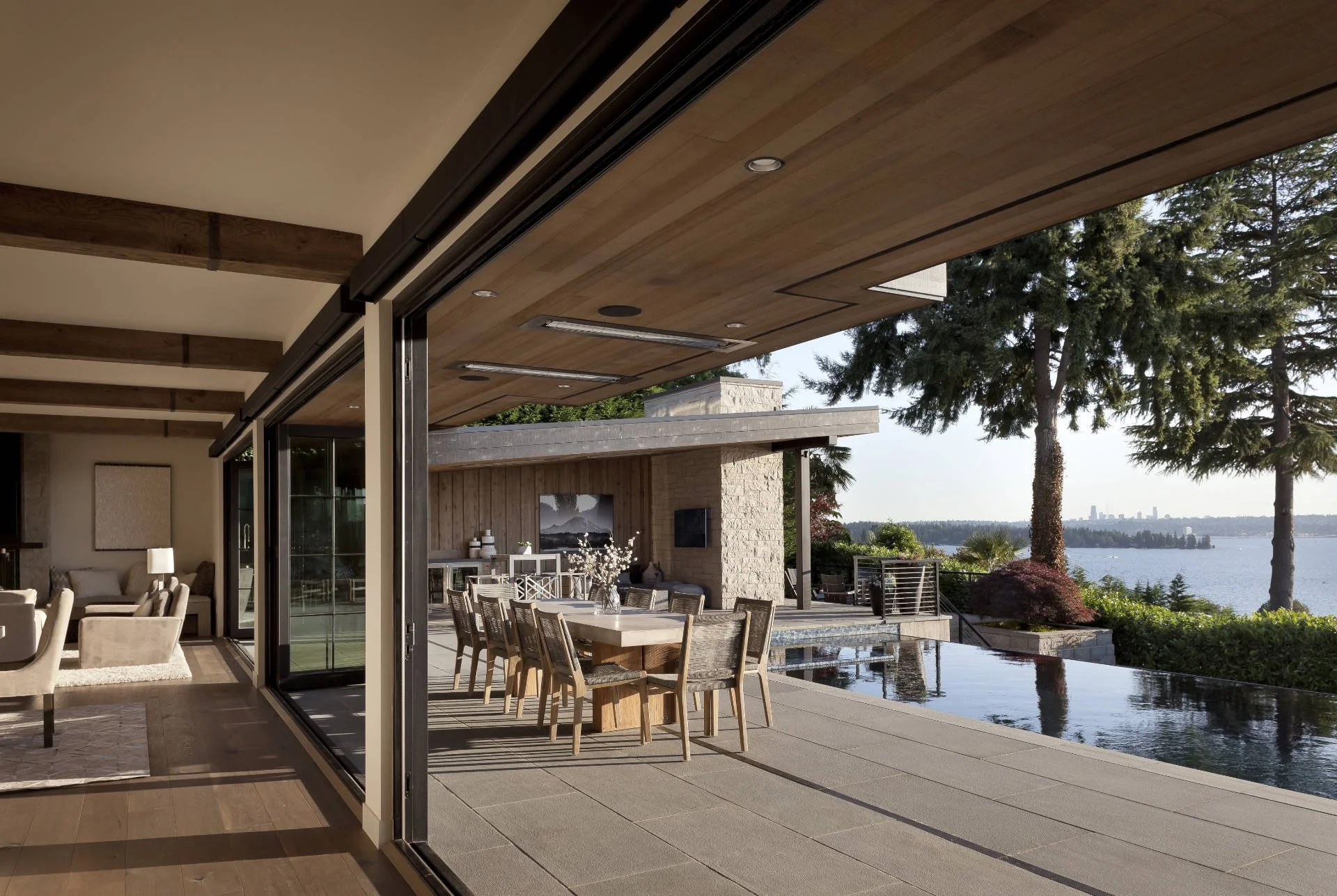
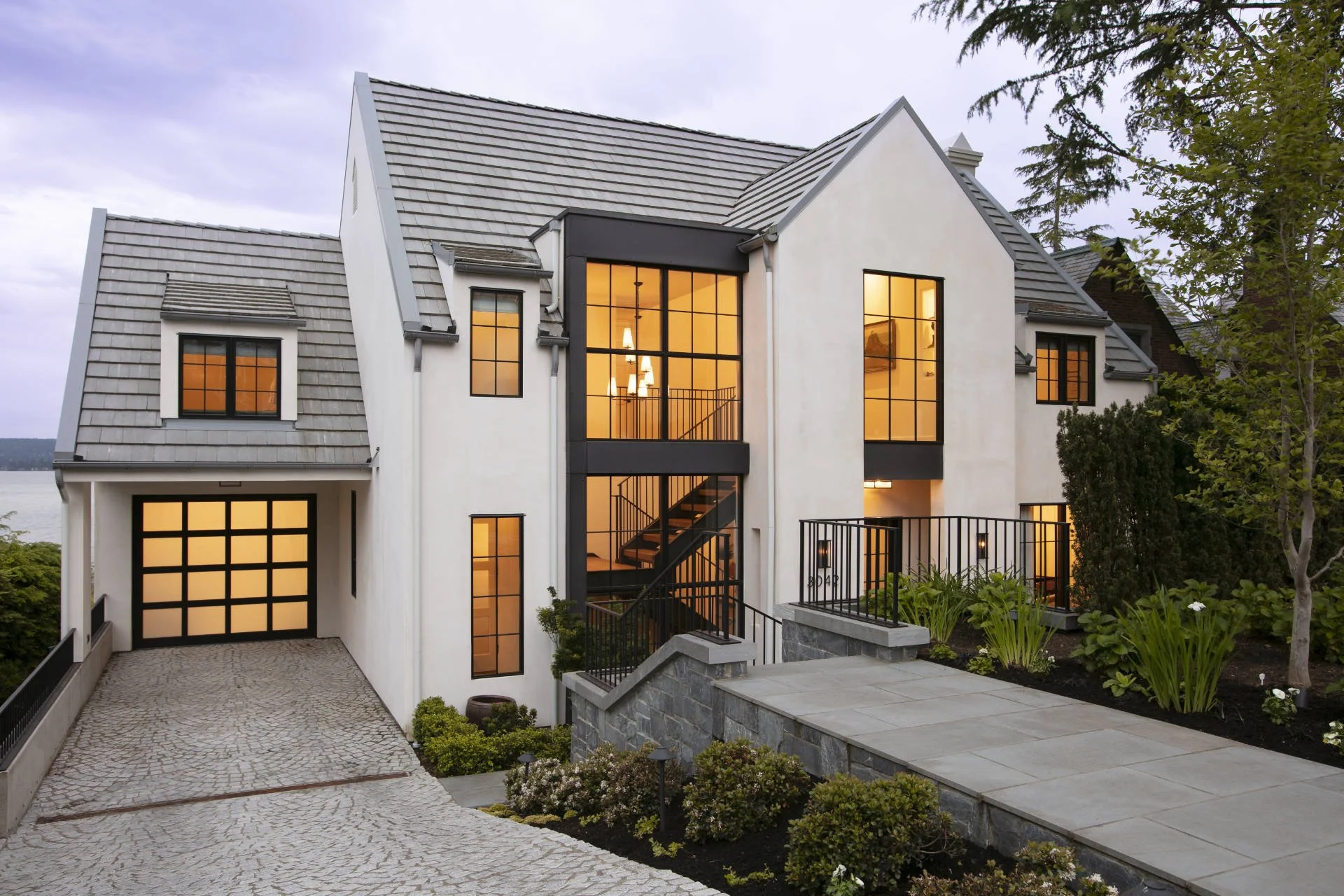
Great architecture does not end when the drawings are complete. It comes to life through collaboration between the owners, architect, builder, consultants, and craftspeople who bring the design into the physical world.
Paul Moon Design approaches each project as an integrated process, bringing architecture, interiors, and landscape together from the beginning and remaining personally involved through construction. The goal is not simply to protect a design from change, but to preserve its intent while allowing it to evolve through the realities of construction.
On a complex custom home, design expertise and construction expertise are distinct, but both are essential. The strongest results come when those disciplines work in concert.
Construction Is Where Design Meets Craft
Even the most comprehensive drawing set cannot anticipate every question that will emerge during construction. Field conditions reveal new information, specialized trades bring valuable expertise, and materials, systems, and details sometimes evolve as the work takes shape.
This is part of the natural process of bringing a complex design to life, not a failure of the drawings.
The opportunity is to bring the right people together when those questions arise.
A builder understands how a project needs to be constructed, sequenced, coordinated, and delivered. The architect and interior designer bring an understanding of the design intent, proportions, material relationships, details, and the character the finished home is intended to convey. Those perspectives are most valuable when they are brought together rather than treated as separate processes.
Design and Construction are Interconnected
The complexity of a custom home lies in how its many decisions come together. A decision about structure can affect windows, ceilings, cabinetry, or finishes. A mechanical system can influence the architecture, while site and landscape decisions can affect drainage, waterproofing, and the relationship between the house and the landscape.
The goal is not to anticipate every question. It is to have the right people working together to recognize connections and make thoughtful decisions as the project evolves.
The best construction process is a continuous conversation between design and construction, with each informing the other.
Design Continues Through Construction
We take pride in producing detailed architectural, interior, and landscape documents. Those documents establish the design and provide the builder and trades with the information needed to construct it.
Drawings cannot capture every decision that will be made in the field.
During construction, our team remains involved to clarify details, review submittals, respond to questions, and work with the builder and trades as conditions evolve.
This continuity keeps the design connected to the work in the field and helps the entire team make thoughtful decisions along the way.
Working Alongside the Craftspeople
Some of the most useful conversations happen directly with the people who will fabricate or install the work.
A pool contractor may bring expertise about equipment, systems, and manufacturers. A millworker may have a better way to execute a complicated detail. A stone fabricator may identify a more appropriate technique. A cabinet maker may have recommendations that affect architectural details.
We value that expertise.
Rather than asking the builder and trades to simply execute a predetermined design in isolation, we prefer a collaborative process in which their knowledge can inform the final solution while the design team helps ensure that the solution remains consistent with the overall vision.
Bringing the Design Vision to Life
Our role during construction is to help translate the design vision as it takes shape in the field. When questions arise, we bring our understanding of the design together with the builder’s construction expertise to find the best solution for the project. Sometimes that means following the original design, other times it may mean changing in the field which leads to a better approach.
When questions arise during construction, the design team brings the broader vision of the project to the conversation. This allows individual decisions to be considered not in isolation, but in the context of the architecture, interiors, landscape, and overall experience of the home.
The Value of Continuity
The design team understands how the many elements of a project work together: how materials meet, how proportions relate, how details connect, and how the architecture, interiors, and landscape come together as a whole.
That broader understanding is difficult to capture completely in a drawing set. Keeping the design team involved through construction brings that knowledge to the decisions that arise in the field, helping ensure that individual details continue to support the larger vision of the home.
Supporting the Builder
The design team's involvement brings valuable design knowledge and continuity to the construction process.
When questions arise, the builder can work directly with the people who created the design. When a subcontractor brings an alternative approach, the design team can quickly evaluate how it fits within the larger vision. When field conditions reveal something unexpected, the team can work together to find an effective solution.
The result is a more collaborative process, where design and construction expertise come together to keep the project moving forward and make thoughtful decisions along the way.
A Living Set of Construction Documents
Construction documents should continue to evolve as the project is built. The first adjustment or approved change can make portions of the original drawing set outdated.
Shop drawings, submittals, clarifications, and approved changes all contribute to the project's evolving record. Keeping that information coordinated helps the field team work from current information and gives the design team a clear understanding of what has changed.
For a highly detailed custom home, that continuity creates a shared reference point for the entire team.
Everyone on the Team Brings Their Experience
The strongest architect-builder relationships are defined by clear responsibilities and mutual respect for expertise.
The builder brings construction knowledge, trade relationships, sequencing, and field leadership. The design team brings design expertise, continuity, and an understanding of the decisions made with the owners throughout the design process. Consultants contribute their specialized knowledge. The owners make decisions about their home and their priorities.
When a question crosses those disciplines, the best teams bring the right people together rather than trying to solve the issue in isolation.
That is the type of collaboration we strive to create.
The Goal Is a Better Home
The purpose of construction involvement is to help realize the home that everyone set out to create.
That means listening to the builder. Learning from the trades. Responding quickly to the owners. Staying connected to the design. And being willing to adjust when a better solution emerges.
Great architecture is designed on paper, but it is realized through hundreds of decisions in the field.
The best projects are not the result of one discipline working perfectly on its own. They are the result of talented people bringing their expertise together, communicating openly, and working toward the same goal.
At Paul Moon Design, we believe that is what it means to build great architecture together.